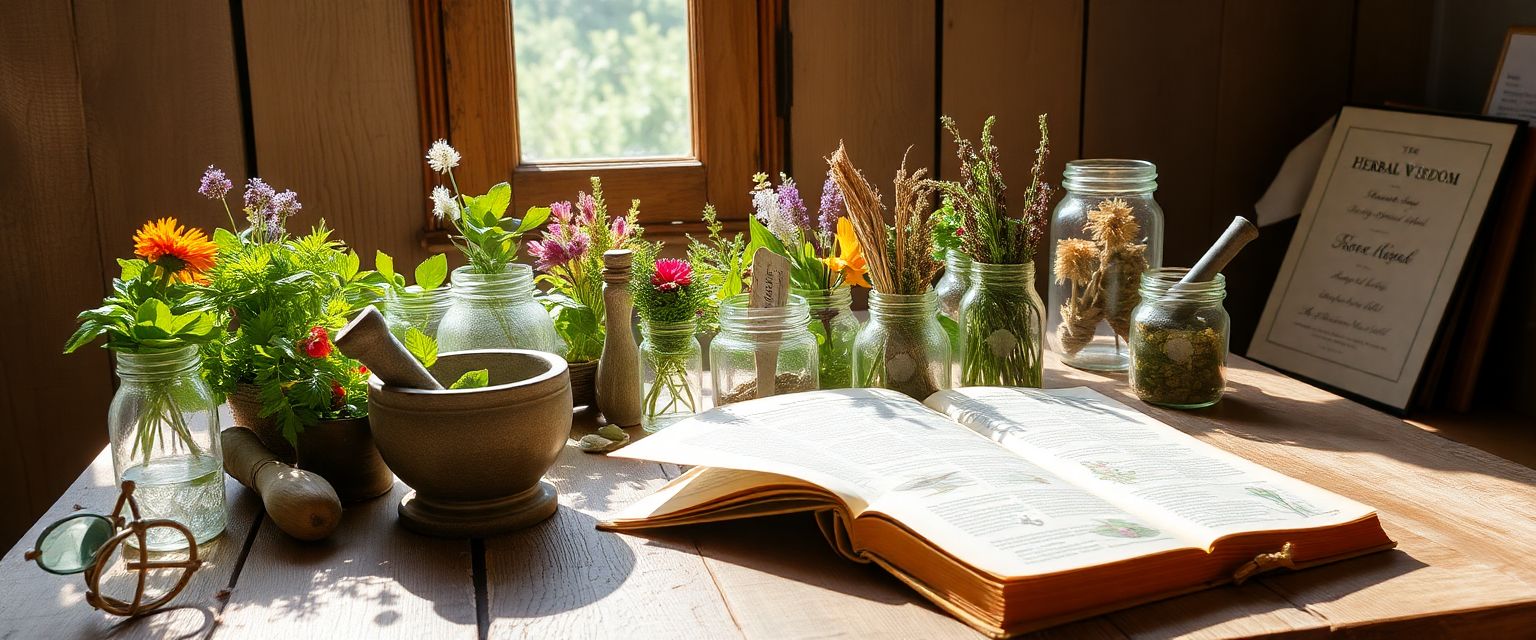
My Journey into Herbal Medicine
Stress consumed my life. I desperately sought choices to conventional medications, skeptical that plants could impact something as complex as mental health.
But I uncovered a resounding yes – herbal remedies can significantly affect mood disorders.
This field blends ancient wisdom with modern neuroscience, offering gentle yet powerful natural options for those struggling with anxiety and depression.
Herbal remedies complement existing therapies and provide options for those seeking a more natural approach. They don’t replace professional medical care or dismiss conventional treatments.
Instead, they offer additional tools to soothe our minds, balance our moods, and support overall mental well-being.
Understanding Herbal Medicine for Mental Health
The Holistic Approach of Herbs
Unlike pharmaceutical drugs targeting single neurotransmitters or receptors, herbs contain complex compounds affecting many bodily systems simultaneously. Many herbs used for anxiety and depression are adaptogens – substances helping the body adapt to stress and maintain balance.
The Science Behind Plant Power
Neuroscience and psychopharmacology have illuminated how certain herbs influence mood and cognition. Some herbs modulate neurotransmitter activity, reduce brain inflammation, or support neuroplasticity – the brain’s ability to form new neural connections.
The gut-brain axis is a fascinating area of research exploring the connection between our digestive system and mental health. Many mood-enhancing herbs also benefit gut health, potentially addressing many aspects of mental well-being simultaneously.
Key Herbs for Anxiety and Depression
1. St. John’s Wort
St. John’s Wort has been extensively studied for it’s antidepressant effects. It’s believed to increase the availability of serotonin, dopamine, and norepinephrine in the brain. While effective for mild to moderate depression, it can interact with many medications, including birth control pills and blood thinners.
2. Ashwagandha
This adaptogenic herb has been used in Ayurvedic medicine for centuries. Modern research suggests it can reduce cortisol levels, improve stress resistance, and may have anxiolytic properties.
It’s particularly useful for stress-related anxiety and insomnia.
3. Rhodiola Rosea
Rhodiola has been shown to improve symptoms of both anxiety and depression. It may help combat fatigue, enhance cognitive function, and improve overall stress resilience.
As an adaptogen, it helps the body maintain balance in the face of physical and emotional stressors.
4. Kava
Kava has potent anxiolytic properties and has been used traditionally in Pacific Island cultures. While effective, it’s important to use it cautiously because of rare cases of liver toxicity associated with it’s use.
Always ask a healthcare professional before using kava, especially if you have any liver conditions.
5. Passionflower
This gentle herb has mild sedative properties and can be particularly helpful for anxiety-related sleep issues. It’s often used in combination with other calming herbs for enhanced effects.
Passionflower may help reduce racing thoughts and promote relaxation without causing drowsiness during the day.
Implementing Herbal Remedies: A Step-by-Step Approach
Assess Your Needs
Determine whether you’re primarily dealing with anxiety, depression, or a combination of both. Consider the specific symptoms you’re experiencing and their severity.
This self-assessment will guide your choice of herbs and help you track progress over time.
Research and Choose Herbs
Based on your needs, choose one or two herbs to start with. Less is often more when it comes to herbal medicine.
Consider factors such as potential side effects, interactions with medications you’re taking, and the quality of available research supporting their use for your specific concerns.
Choose a Form
Herbs can be taken as teas, tinctures, capsules, or standardized extracts. Each form has it’s pros and cons in terms of potency, convenience, and absorption.
Teas can be soothing and ritualistic but may be less potent than concentrated extracts.
Capsules are convenient but may have slower absorption. Tinctures are fast-acting but may have a strong taste.
Start Low and Go Slow
Begin with a lower dose than recommended and gradually increase over time. This allows you to gauge your body’s response and minimize potential side effects.
Keep a log of your dosage and any changes you notice in your mood, energy levels, and overall well-being.
Be Consistent
Herbal remedies often need consistent use over several weeks to show full effects. Establish a routine for taking your chosen herbs, whether it’s with meals or at specific times of day.
Set reminders if needed to confirm you don’t miss doses.
Combine with Lifestyle Changes
Herbal remedies work best when combined with a healthy diet, regular exercise, stress management techniques, and good sleep hygiene. Consider incorporating meditation, yoga, or other relaxation practices to complement your herbal regimen.
Monitor and Adjust
Pay attention to how you feel and be willing to adjust your approach. What works for one person may not work for another.
Keep a journal to track your symptoms, dosage, and any changes you notice.
This information will be valuable for fine-tuning your herbal protocol and sharing with healthcare providers.
Common Pitfalls and How to Avoid Them
Expecting Instant Results
Unlike pharmaceutical drugs, herbs often work subtly and gradually. Give them time to take effect.
It may take 4-6 weeks to notice significant changes in mood or anxiety levels.
Patience and consistency are key when using herbal remedies.
Ignoring Potential Interactions
Some herbs can interact with medications or other supplements. Always research potential interactions before starting a new herb.
Consult with a healthcare provider or herbalist, especially if you’re taking prescription medications or have underlying health conditions.
Using Poor Quality Products
The herbal supplement industry is poorly regulated. Choose reputable brands and look for third-party testing. Opt for organic herbs when possible to minimize exposure to pesticides.
Be wary of extremely low-priced products, as they may contain fillers or contaminants.
Self-Diagnosing and Self-Treating Severe Conditions
While herbs can be helpful for mild to moderate symptoms, severe anxiety or depression needs professional help. Herbal remedies should complement, not replace, professional mental health care for serious conditions.
Overlooking the Importance of Dosage
More is not always better. Stick to recommended dosages and be cautious about combining many herbs.
Overdosing on herbs can lead to side effects or reduce their effectiveness.
Always follow dosage instructions on product labels or as advised by a qualified herbalist.
Adapting Herbal Remedies to Your Unique Needs
Consider Your Constitution
In traditional systems like Ayurveda, herbs are prescribed based on a person’s constitution. Learning about your dosha or body type can guide your choices.
For example, someone with a Vata constitution might benefit more from grounding herbs like ashwagandha, while a Pitta type might do better with cooling herbs like brahmi.
Pay Attention to Timing
Some herbs are energizing and best taken in the morning, while others are calming and more suitable for evening use. Rhodiola, for instance, can be stimulating and is often recommended for morning use.
Passionflower or chamomile, on the other hand, are better suited for evening consumption to promote relaxation and sleep.
Experiment with Combinations
Certain herbs work synergistically. For example, combining ashwagandha with rhodiola can provide balanced energy and stress relief.
Holy basil (tulsi) pairs well with lemon balm for anxiety relief.
However, always introduce new herbs one at a time to watch person effects before combining.
Adjust for Seasonal Changes
Your needs may vary with the seasons. You might need more mood support during winter months when seasonal affective disorder is common.
Adaptogens like rhodiola can be particularly helpful during these times.
In summer, cooling herbs like peppermint or lemon balm might be more appealing.
Consider Your Lifestyle
If you’re an athlete or have a high-stress job, you might benefit from different herbs than someone with a more sedentary lifestyle. Athletes might focus on adaptogenic herbs to support recovery and stress resilience, while office workers might prioritize herbs that support focus and reduce tension.
Building on the Basics: Advanced Herbal Strategies
Cycling Herbs
Some herbalists recommend cycling on and off certain herbs to prevent tolerance and maintain effectiveness. This might involve using an herb for 3-4 weeks, then taking a week off before resuming.
This approach can be particularly useful for adaptogens and herbs used long-term.
Formulating Custom Blends
With experience, you can create personalized herbal formulas that address many aspects of your mental health. This might involve combining an adaptogen like ashwagandha with a nervine like lemon balm and a mood-lifter like St. John’s Wort.
Always start with small amounts and adjust based on your body’s response.
Incorporating Supportive Herbs
Beyond mood-specific herbs, consider adding herbs that support overall health, such as those for liver function or immune support. Milk thistle, for example, supports liver health, which is crucial for hormone balance and overall well-being.
Astragalus can boost immune function, indirectly supporting mental health.
Exploring Lesser-Known Herbs
While well-researched herbs are a good starting point, there’s a world of traditional herbs waiting to be explored. Herbs like bacopa, gotu kola, or albizzia might offer unique benefits for mood and cognition. Always research thoroughly and ask with an experienced herbalist before trying lesser-known herbs.
Integrating Herbs with Other Natural Therapies
Consider how herbal remedies can complement other approaches like aromatherapy, acupuncture, or mindfulness practices. For example, using lavender essential oil alongside an herbal tea blend for anxiety can enhance relaxation.
Practicing mindfulness meditation while sipping on a mood-supporting herbal tea can amplify the benefits of both practices.
Exercises to Deepen Your Herbal Knowledge
Herb Journal
Keep a detailed journal of the herbs you use, including dosages, effects, and any side effects. Note the brand, form (e.g., tea, tincture, capsule), and time of day you take each herb.
Record your mood, energy levels, and any changes in symptoms.
This journal will be invaluable for tracking your progress and refining your herbal protocol over time.
Sensory Exploration
Familiarize yourself with the taste, smell, and appearance of whole herbs. This can deepen your connection to the plants and improve your ability to gauge quality.
Visit a local herb shop or grow your own herbs if possible.
Smell different varieties of chamomile or compare the taste of fresh vs. dried peppermint. This sensory knowledge will enhance your understanding and appreciation of herbal medicine.
Herbal Meditation
Spend time meditating with a cup of herbal tea, focusing on the sensations and effects you experience. As you sip, notice the flavor, aroma, and how the herb makes you feel.
Does chamomile bring a sense of calm?
Does peppermint invigorate your senses? This practice can heighten your awareness of the subtle effects of herbs and deepen your connection to the plants.
DIY Preparations
Try making your own tinctures or herbal blends under the guidance of a knowledgeable herbalist. Start with simple preparations like infusions or decoctions.
As you gain confidence, you might experiment with making your own tinctures or herbal-infused oils.
This hands-on experience will give you a deeper appreciation for the art and science of herbal medicine.
Case Studies
Read or watch case studies of how others have used herbs for anxiety and depression. Reflect on how their experiences might apply to your situation.
Look for reputable sources such as herbal medicine textbooks, peer-reviewed journals, or presentations by respected herbalists.
Analyzing these case studies can provide insights into how herbs work in real-world situations and inspire ideas for your own herbal protocol.
Key Takeaways
Herbal remedies can be powerful allies in managing anxiety and depression, but they need patience, consistency, and a holistic approach. Always prioritize quality and safety when choosing herbal products.
Start with well-researched herbs and gradually explore more advanced strategies as you gain experience.
Personalization is key – what works for others may not work for you, so be prepared to experiment and adjust. Herbal remedies are most effective when combined with lifestyle changes and, when necessary, conventional treatments.
Frequently Asked Questions
What herbs are best for anxiety?
Ashwagandha, passionflower, and lemon balm are among the most effective herbs for anxiety. Each works differently, so it’s important to research which might be best for your specific symptoms.
Can St. John’s Wort replace antidepressants?
While St. John’s Wort has shown effectiveness for mild to moderate depression, it should never be used as a replacement for prescribed antidepressants without consulting a doctor. It can interact with many medications and may not be suitable for severe depression.
How long does it take for herbal remedies to work for depression?
Most herbal remedies for depression take 4-6 weeks of consistent use to show noticeable effects. However, this can vary depending on the person and the specific herb used.
Are there any side effects of using Rhodiola for stress?
Rhodiola is generally well-tolerated, but some people may experience mild side effects such as dizziness or dry mouth. It’s important to start with a low dose and watch your body’s response.
Can I take many herbs for anxiety at the same time?
While it’s possible to mix herbs, it’s best to introduce them one at a time to watch effects and potential interactions. Always ask with a healthcare provider or qualified herbalist before combining many herbs.
Is Kava safe for long-term use?
Kava’s long-term safety is debated because of rare cases of liver toxicity. It’s crucial to use kava under professional guidance and avoid it if you have liver problems or consume alcohol regularly.
How do I know if an herbal supplement is high quality?
Look for products from reputable brands that use third-party testing. Check for certifications like USDA Organic or NSF International.
Avoid products with unnecessary fillers or additives.
Can herbal teas be as effective as supplements for mental health?
Herbal teas can be effective, especially for mild symptoms. However, supplements often contain more concentrated doses of active compounds.
The choice between tea and supplements depends on the specific herb and your person needs.
Are there any herbs that help with both anxiety and depression?
Yes, some herbs like St. John’s Wort and Rhodiola have shown benefits for both anxiety and depression. However, their effectiveness can vary between people.
How do adaptogens like Ashwagandha work to reduce stress?
Adaptogens help the body resist stressors of all kinds, whether physical, chemical, or biological. They work by regulating the body’s stress response systems, helping to maintain balance and reduce the negative impacts of chronic stress.